


Cushions are the simplest, yet one of the most elegant ways to transform a room. With the
right mix of colours, textures and sizes, they can instantly elevate a sofa, bed or armchair and
bring warmth and personality into a space. Whether you prefer minimal, classic or eclectic
aesthetic, thoughtful cushion styling can create a cohesive and inviting look.
The Designer’s Guide to Styling Cushions Effortlessly at Home
Here is a designer’s guide to styling cushions effortlessly at home.
1. Start With a Colour Story

Before selecting cushions, think about the overall colour palette of the room. Your cushions
should complement existing elements like the sofa upholstery, curtains, rugs or wall colours.
A good rule is to work with three or five colours within the same palette. You can choose:
- A neutral base such as ivory, beige or grey: this works as an anchor.
- One or two soft tones from the room: this help elevate the look
- A contrasting accent colour: to create visual interest
This approach keeps the arrangement balanced while still adding character.
2. Play With Sizes and Shapes
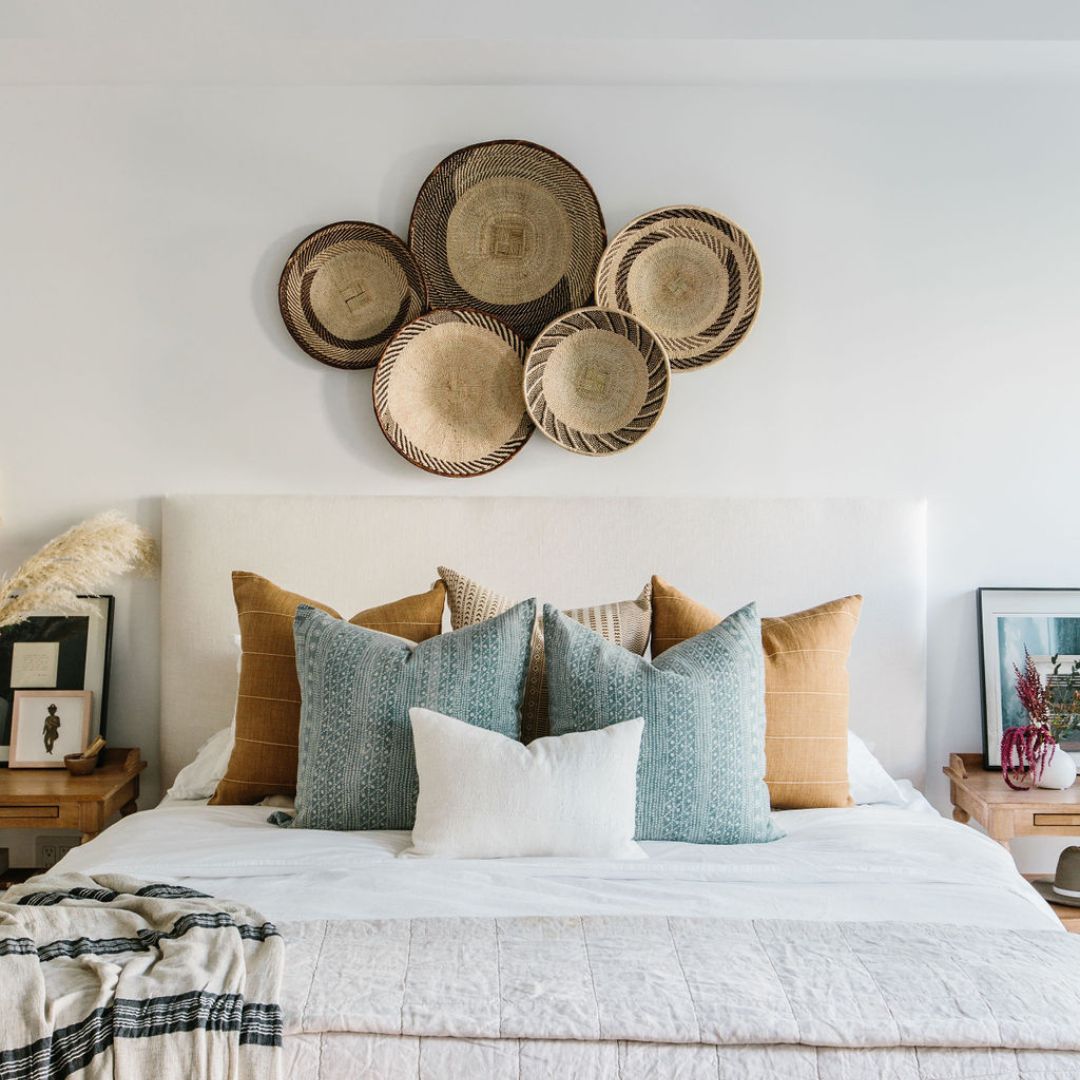
Professional stylists rarely use cushions of the same size- this creates monotony and a flat
visual. Mixing proportions creates depth and makes the arrangement look curated.
A common sofa styling formula is:
- Large cushions (50–60 cm) at the back
- Medium cushions in the centre
- Smaller accent cushions or lumbars in the front
On beds, euro shams at the back layered with standard cushions and a decorative accent
cushion can create a luxurious feel.
3. Mix Textures and Fabrics
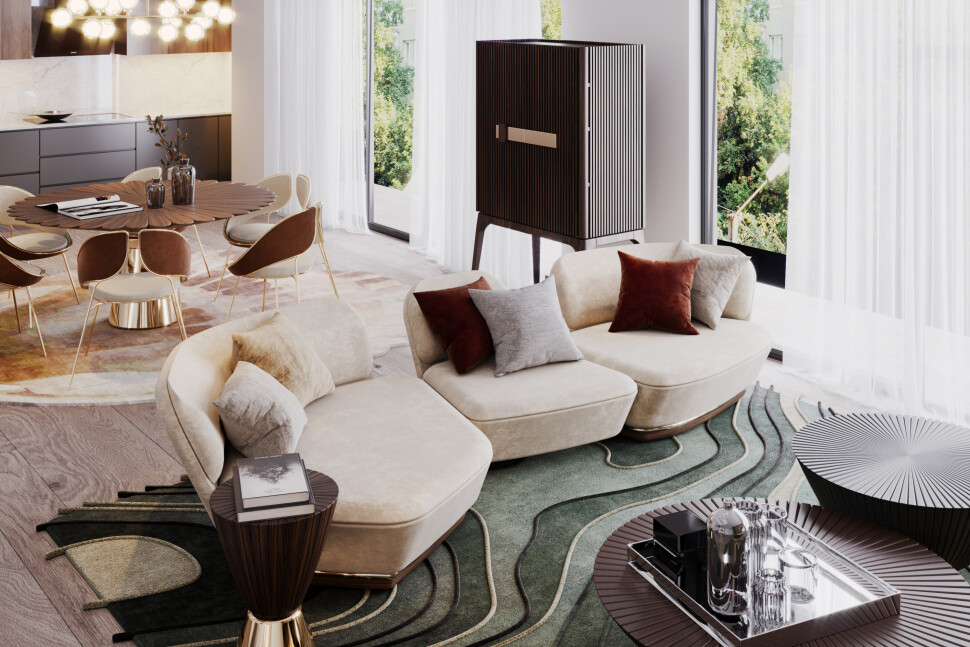
Texture is what makes a cushion arrangement feel rich and inviting. Combining different
materials adds dimension even if the colour palette is subtle.
For example:
- Linen or cotton: For a relaxed base
- Velvet or jacquard: For richness
- Embroidered or textured cushions: For detail
This layering of textures creates a balanced yet visually intriguing composition.
4. Balance Prints and Solids

When working with printed cushions, it helps to follow a simple design rule: combine prints with solids. This helps create a color block and immediately draws attention.
A well-balanced mix might include:
- One bold statement print: Can be big motifs, dense print etc.
- One smaller or subtle pattern: Like a ditsy print, polkas etc.
- One or two solid cushions
This prevents the arrangement from feeling overwhelming while still bringing personality to the space.
5. Use the Rule of Odd Numbers

Interior stylists often arrange cushions in odd numbers because it feels more natural and
visually pleasing
For example:
- 3 cushions for a small sofa or chair
- 5 cushions for a standard sofa
- 7 cushions for a large sectional
Odd-number arrangements create a relaxed and effortless look.
6. Refresh Your Space Seasonally
One of the easiest ways to refresh your home is by changing cushion covers through the seasons.
- Spring/Summer: lighter fabrics, botanical prints, fresh colours.
- Autumn/Winter: deeper tones, textured fabrics like velvet or woven cotton.
Rotating cushion covers allows you to update your décor without replacing larger furniture
pieces.
Final Thoughts
Cushions may be small design elements, but they have a powerful impact on how a room
feels. By thoughtfully combining colours, textures and sizes, you can easily create a space
that feels warm, layered and beautifully styled.
The best cushion arrangements feel personal and relaxed—so don’t be afraid to experiment until you find the mix that feels just right for your home.
0 comments